Top Vitamin and Supplement Stores Near You: A Local Top List
🧭 Introduction: Local vitamin and supplement shopping in 2025
This guide focuses on nearby stores that offer robust product assortments, rigorous quality standards, and clear consumer value—whether you’re a seasoned brand owner, a startup seeking private-label capabilities, or a retailer building a one-stop solution for customers who demand clean-label ingredients and responsible packaging—and you can explore more in the vitamins and supplement stores: a comprehensive buyers guide to quality, price, and availability.
The goal is to help you choose stores that align with your product development, private-label strategies, and consumer promises—whether you’re launching a new line or scaling an existing one, including wholesale supplements & vitamins.
As a private-label and contract manufacturing partner, Ingredientsage understands both the retailer’s and brand’s needs: consistent quality, fast go-to-market, and flexible packaging options with organic and natural ingredients. The stores highlighted here complement those capabilities by offering reliable access to inventory, testing documentation, and guidance from knowledgeable staff. Use this guide to plan efficient trips, compare options, and make smarter purchasing decisions that support your business goals.
🔎 Key criteria for evaluating local vitamin stores
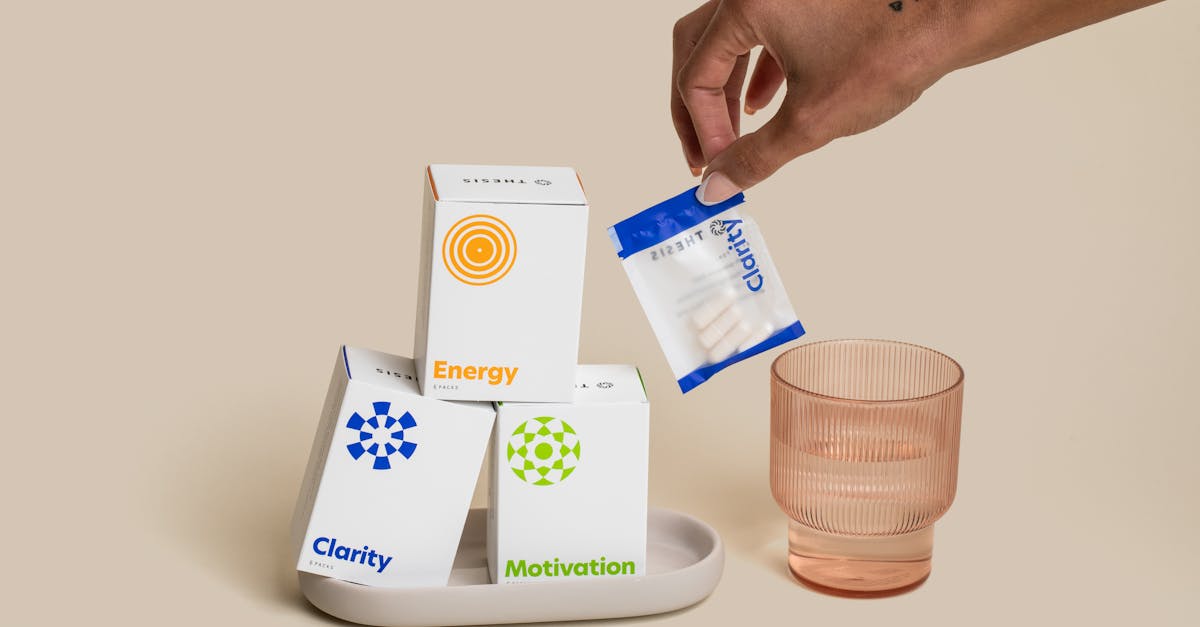
When you’re comparing local vitamin and supplement options, considering retailers such as gnc vitamins supplements protein powder can help you quickly assess product variety and quality.
Product Variety
Local retailers like the vitamin shoppe forest hills offer a broad spectrum of categories—sport nutrition, vitamins, minerals, herbs, specialty formulas, and clean-label options.
- Variety across price points and form factors (powders, capsules, liquids) supports testing for private-label concepts.
- Regional curation can reveal hidden gems and regionally sourced ingredients aligned with clean-label goals.
Third-Party Testing & Certifications
Verify that products carry credible third-party verification such as USP, NSF, or Clean Label Project certifications. Documentation should be accessible or readily requestable, with clear notes on testing scope, batch numbers, and review periods.
- Ask for certificates of analysis (COAs) and recent test results to confirm purity, potency, and contaminant screening.
- Staff able to explain testing methodology and limitations adds real value to your evaluation.
Pricing & Deals
Price competitiveness matters, especially for private-label launches. Look for consistent pricing, loyalty or bulk-buy programs, and bundle promotions that can streamline formulation costs for your project.
- Compare price per serving or per gram to normalize across packaging sizes.
- Seasonal promotions or subscription models can meaningfully impact cost of goods for planned launches.
Inventory Availability
Real-time stock visibility reduces planning friction. The ability to reserve, use curbside pickup, or arrange online ordering with quick fulfillment is a strong indicator of a customer-centric operation.
- Check stock levels for core ingredients and best-selling SKUs to minimize backorders in new product launches.
- Transparent restocking timelines and lead times are crucial for private-label timelines and packaging decisions.
Accessibility (Hours/Locations/Curbside/Online)
Easy access matters for busy teams and brands working across functions. Stores with extended weekend hours, multiple locations, curbside pickup, and robust online ordering provide flexibility for your schedule.
- Evaluate parking, accessibility features, and staff availability for in-store consultations.
- Omnichannel readiness supports testing, sampling, and on-site formulation discussions with product specialists.
Sustainability & Packaging
Clean-label trends extend beyond ingredients to packaging choices. Look for recyclable or returnable packaging, reduced plastic use, and refill options where feasible.
- Documentation of sustainable sourcing and packaging suppliers helps align with your product promises.
- Regional stores experimenting with refill centers or bulk options can lower waste and unit costs for private-label lines.
🌿 Trends shaping local vitamin stores in 2025–2026
The local vitamin store landscape is evolving quickly. Three trends stand out for buyers who want to stay ahead of the curve: clean-label transparency, sustainable packaging, and seamless omnichannel experiences coupled with safety/regulatory updates. Understanding these trends helps you select partners who align with your formulation and packaging goals while delivering real consumer value.
Clean-label clarity and transparent sourcing
Consumers increasingly demand full ingredient disclosure and clear origin stories. Stores that provide sourcing maps, supplier certifications, and batch-level COAs at the point of sale empower you to validate claims for your own products.
Expert insight: “Transparency is no longer a nice-to-have; it’s a baseline requirement for trusted private-label partnerships,” says Dr. Lina Park, Director of Quality at a leading contract manufacturer. She adds that brands often pivot to suppliers with verifiable farm-to-table narratives and robust traceability dashboards.
Sustainable packaging and refill options
Recyclability, minimal plastic use, and refillable formats are moving from niche to mainstream. Local stores that pilot refill stations or bulk ingredient sections can significantly reduce waste and support circular economy goals for private-label customers.
Industry perspective: “Sustainability isn’t just green color labeling; it’s measurable impact on packaging life cycle and supply chain efficiency,” notes Sofia Rossi, a packaging strategist for a multinational supplement company. This shift also challenges formulations to maintain product integrity through alternative packaging systems.
Clean-label products rely on robust testing and honest communication. When a store makes sourcing and packaging choices visible, it accelerates product development timelines and boosts consumer trust.
– Emily Carter, Senior Sustainability Analyst
Omnichannel experiences with safety and regulatory updates
Shoppers expect online ordering, curbside pickup, and in-store consultations that mirror the speed and convenience of digital markets. At the same time, regulators continue to refine labeling requirements, permissible ingredient lists, and safety standards, especially for concentrated or novel ingredients.
Practical note: Keep an eye on stores that publish clear, up-to-date compliance statements and provide ready access to regulatory summaries for private-label partners. This combination supports faster go-to-market while reducing risk in formulation and packaging decisions.
🧭 Store types you’ll encounter near you
The local vitamin landscape blends three primary types of retailers, each offering distinct advantages for different stages of product development and private-label programs. Understanding the strengths of national chains, independent shops, and health-food stores helps you map the best path to inventory, testing, and collaboration.
National chains: breadth and consistency
National chains deliver scale, standardized pricing, and reliable omnichannel experiences. For established brands and large-volume private-label projects, these stores offer consistent product lines, centralized returns, and nationwide fulfillment options that smooth cross-region launches.
Key value for you: predictable lead times, bulk-order discounts, and cohesive loyalty programs that can be leveraged for retailer partnerships and private-label pilots.
Independent local vitamin shops: personalized service
Independents excel in high-touch service, regional curation, and flexibility. They’re often more responsive to private-label inquiries, can tailor product assortments to local demand, and foster close relationships with formulators and co-packers.
Practical advantage: staff expertise and hands-on collaboration with brands seeking rapid prototyping and feedback on formulas, labels, and packaging choices.
Health-food stores and co-ops: education and community
Health-food venues and community co-ops bring educational events, targeted audiences, and locally sourced product lines. They’re especially valuable for testing clean-label concepts, consumer acceptance, and regional taste preferences before scaling to broader channels.
Community benefit: events, demonstrations, and in-store tastings can accelerate private-label validation and create early ambassadors for your line.
🛒 Practical buyer tips for quick comparisons
When time is limited, these practical tips help you make informed decisions fast. Use them to compare options across stores, whether you’re evaluating for a private-label program, a new product launch, or ongoing ingredient sourcing.
- Review third-party testing and certifications: Prioritize products with up-to-date COAs and documentation from USP, NSF, or Clean Label Project. If the store can’t provide certificates on demand, treat it as a red flag.
- Compute price per serving and compare value: Normalize by serving size and count. Pair price data with bundle promotions and loyalty programs to estimate true cost of goods over a planned launch horizon.
- Check stock availability and delivery options: Verify in-store stock for immediate needs and confirm online ordering, curbside pickup, or white-glove delivery for private-label components and packaging.
- Assess accessibility and support: Look for staff with formulation or regulatory knowledge who can assist with COA interpretation, ingredient sourcing, and packaging considerations.
- Evaluate sustainability commitments: Seek clear statements on packaging recyclability, refill options, and supplier ethics. A credible program often includes lifecycle impact data or supplier certifications.
- Plan a short visit checklist: Product variety, price/value, staff knowledge, accessibility, and packaging practices. Use a simple rating scale to compare stores consistently.
Nearby Vitamin & Supplement Store Comparison
| Product Variety | Third-Party Testing & Certifications | Pricing & Deals | Inventory Availability | Accessibility (Hours/Locations/Curbside/Online) | Sustainability & Packaging | |
|---|---|---|---|---|---|---|
| National chains | As of 2025, very broad assortments across vitamins, minerals, herbs, and sports nutrition with thousands of SKUs (roughly 5,000-10,000 across locations), including private-label lines. | Most offer third-party testing on select private-label lines; common certifications include USP Verified, NSF Certified for Sport, Non-GMO Project, and GMP-compliant manufacturing; coverage varies by chain and product. | Generally competitive pricing with frequent sales and loyalty programs; bulk/bundle deals and private-label items tend to be lower priced. | Strong stock levels for core items and robust online stock visibility; inventory across locations is generally reliable; online ordering supported. | Numerous nationwide locations with extended hours; curbside pickup and online ordering available in many locations; delivery options commonly offered. | Mixed sustainability practices across chains; some push recyclable packaging, take-back programs, and packaging reductions; practices vary by product line. |
| Independent local vitamin shops | As of 2025, curated selections tailored to local demand, typically 500-2,000 SKUs with emphasis on high-quality brands and niche products. | Greater emphasis on transparency; many carry brands with certifications, though not universal; staff can verify GMP or certification details on request. | Boutique pricing can be higher; occasional local deals and bundles; some shops offer price-matching or membership perks depending on store policy. | Inventory more variable and dependent on supplier relationships; ability to special-order items often available. | Hours vary by location; local footprint provides convenient access; online ordering and limited curbside pickup increasingly common. | Often prioritize sustainability with options like bulk purchases and reduced packaging; emphasis on local sourcing when possible; packaging quality varies. |
| Health-food stores and co-ops | As of 2025, extensive natural health product selections with strong organic vitamin lines; typically 1,000-4,000+ SKUs depending on store size. | Many products carry certifications (USDA Organic, Non-GMO Project Verified, USP on select items); certification availability varies by product. | Pricing ranges from competitive to premium; co-ops and member discounts can lower effective prices; frequent sales and bulk options. | Generally reliable stock for core vitamins; some seasonal fluctuations; bulk bins and bulk purchase options available for certain items. | Store networks often concentrated in urban/suburban areas; hours vary by location; online ordering and curbside pickup available in many locations. | Strong focus on sustainability; bulk bins, reusable bags, and minimal packaging; cooperative models frequently emphasize local sourcing and waste reduction. |
⚙️ How to use this local top list in your shopping routine
Turn this guide into a practical routine that saves time and enhances decision-making. Start with a quick pre-visit plan, then execute a focused in-store or online evaluation that aligns with your product development calendar and private-label timelines.
- Plan around store hours and proximity: Use store locators to map efficient routes, factoring in curbside pickup where offered. Schedule visits to match your formulation deadlines and supplier sample windows.
- Prioritize transparent ingredient sourcing: Give preference to stores sharing sourcing maps, COAs, and supplier certifications. This simplifies vetting for private-label regulators and internal QA teams.
- Engage staff for targeted questions: Prepare a short script covering product variety, testing documentation, and packaging options. Gauge staff expertise and willingness to collaborate on private-label trials.
- Create a simple visit checklist: For each store, record product variety, price/value, staff knowledge, accessibility, and packaging practices. Use the checklist to build a side-by-side comparison after each trip.
- Leverage omnichannel capabilities: Favor stores with online catalogs, real-time stock visibility, and flexible fulfillment. This is especially helpful for blended private-label programs spanning multiple SKUs and formats.
As you build relationships with local stores, consider how their capabilities align with your private-label needs. Ingredientsage can help bridge gaps between formulation development, packaging options, and quality control, offering end-to-end private-label and contract manufacturing solutions that accelerate go-to-market while meeting clean-label standards.


Comments
Post a Comment