All-Natural Dietary Supplements: A Comprehensive Guide to Safety, Efficacy, and Selection
Introduction 🌿
This guide provides an evidence based framework to evaluate supplements, understand regulatory context, and make informed decisions for product development and purchasing; for a broader look,natural healthy supplements: a comprehensive guide to safe, evidence-based choices offers deeper insights.
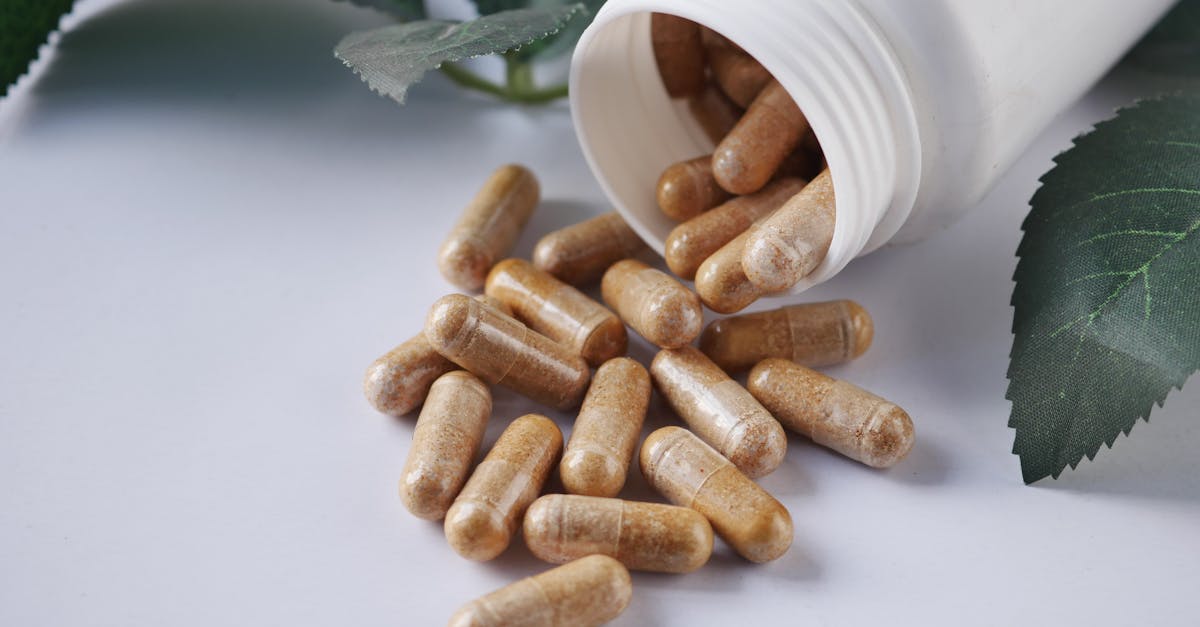
Transparency and safety are not optional add ons in today’s market. Independent testing, clear ingredient sourcing, and up to date regulatory context are essential for protecting brand integrity and consumer well being. As a result, you will see a growing emphasis on clean label practices, traceability, and robust quality assurance across the industry. The sections that follow offer a practical roadmap to assess all natural claims, evidence for common ingredients, labeling and certifications, contamination risks, and responsible usage guidelines.
All natural is a strong claim only when it is backed by transparent sourcing, third party testing, and accurate labeling that reflects what is inside each bottle, as discussed in natural vitamin supplements: the comprehensive guide to plant-based options.
Expert insight from a senior quality assurance executive
What "All-Natural" Means in Supplements 🌱
When you see all natural claims, look for clear provenance and third party verification rather than relying on the term alone; for example,herbal organic supplements organic india can illustrate how sourcing and processing affect product quality.
Key distinctions to keep in mind include the difference between naturally sourced ingredients and products that carry natural claims despite using standard processing aids, additives, or synthetic trace elements. Claims such as no synthetic additives or organic ingredients can be attractive, but they require scrutiny of the entire formulation. A responsible approach combines scrutiny of the ingredient list, processing methods, and independent testing results to determine whether the product aligns with your natural product standards.
Expert perspective emphasizes that natural sourcing should be paired with transparent documentation of processing steps, batch-specific testing, and traceable supply chains, as highlighted by nature made pharmacist recommended vitamin.
How to Evaluate Supplements: Quality, Evidence, and Labeling 🧭
Evaluating a supplement starts with the three Cs: quality control, supporting evidence for health claims, and clear labeling. First, verify that the manufacturer adheres to good manufacturing practices GMPs and conducts batch testing. GMP compliance assures that the product is produced in a controlled environment with validated processes. Batch testing confirms that the contents match the label for each lot, which is essential for potency and safety.
Second, distinguish wellness claims from disease related claims. Wellness statements describe overall well being or symptom relief that is not meant to diagnose, treat, cure, or prevent disease. Disease related claims require a higher level of substantiation and are more heavily scrutinized. Look for references to reputable clinical studies or authoritative guidelines rather than marketing exuberance alone.
Third, inspect the label for ingredient lists, serving sizes, dosing guidance, allergen information, and potential contaminants. A complete label should include the exact form of each ingredient, the amount per serving, the number of servings per container, and any warnings or contraindications. Transparency about dosage thresholds and intended use helps you align the product with your goals and safety requirements.
Industry expert guidance stresses that independent third party testing adds meaningful credibility. Entities such as independent labs or certification programs provide a level of verification beyond what a manufacturer reports alone. When possible, request certificates of analysis for recent batches and look for ongoing lot specific testing statements that accompany new lots.
Regulatory and Safety Considerations ⚖️
Regulatory oversight for dietary supplements in the United States operates under a post market framework. The regulating law emphasizes safety reporting, manufacturing standards, and truthful labeling rather than pre market product approval. The federal agency responsible for overseeing dietary supplements is the Food and Drug Administration, which monitors safety signals and may take enforcement action if products are adulterated or mislabeled. Understanding this framework helps brands design safer products, while consumers choose products with stronger safety nets.
Key safety practices include maintaining GMP compliance, ensuring accurate labeling, and supporting safety reporting. Manufacturers should maintain a robust adverse event reporting process and provide clear channels for consumers and healthcare professionals to report concerns. Regular internal audits and supplier risk assessments support safer product portfolios and reduce the likelihood of contamination or mislabeling.
Direct to consumer shoppers should be aware of potential contaminants as part of safety considerations. Heavy metals, pesticide residues, adulterants, and undisclosed ingredients have appeared in some products. Relying on third party testing and batch certifications reduces these risks. Finally, stay updated on regulatory developments and safety advisories as the landscape evolves through 2025 and into 2026.
Key ingredients with evidence 🍊🧬
Vitamin D + Omega 3 (combined) 🧪
Vitamin D is essential for bone health and immune function, and omega 3 fatty acids support cardiovascular wellness and inflammatory balance. When combined in a well formulated product, the interaction of these nutrients can be synergistic for certain populations. Dosing decisions should be guided by baseline status and clinical guidelines, with attention to potential vitamin D toxicity risks in specific cases. Formulations that include a balanced omega 3 ratio and a stable vitamin D source are more likely to deliver consistent results across diverse users.
For practical use, consider a product that provides verified potency per serving and includes a clear disclosure of the form of omega 3 (EPA and DHA) as well as the vitamin D dose. Stability is important; look for packaging that preserves fatty acids and protects against oxidation. A robust quality program will include lot specific certificates and third party verification of both ingredients.
Expert note highlights that testing should cover not only potency but also contaminants such as heavy metals and PCBs. A well sourced product with independent testing and transparent labeling tends to deliver more reliable results and reduces uncertainty about efficacy and safety.
Probiotics (strain specific) 🦠
Probiotics show strain specific effects and clinical evidence largely depends on the exact bacterial strain, dose, and product fate through the gastrointestinal tract. When evaluating probiotic supplements, assess stability in the final product, the labeled colony forming units CFU at the end of shelf life, and the intended use such as gut health or immune support. The source and viability of strains at the time of consumption are critical for meaningful outcomes.
Look for products that specify the strain numbers, expiration dating, and finishing temperature requirements. Packaging that preserves viability and a clear storage instruction help preserve efficacy. Regulatory expectations for labeling include accurate strain identification and CFU information for the stated shelf life. A reliable probiotic will provide evidence from credible clinical trials and post marketing surveillance to support its use for the intended outcome.
Industry guidance suggests that consumer education around strain specificity and expected outcomes improves decision making. If a claim seems broad or vague, probe for supporting trial data and seek products with third party verification of labeling accuracy and storage conditions.
Curcumin (bioavailability enhanced) 🧡
Curcumin is a potent anti inflammatory compound derived from turmeric, yet its bioavailability is historically limited. Formulations that employ bioavailability enhancing strategies such as complexation, phospholipid delivery, or nanotechnology tend to show stronger absorption and improved clinical outcomes for inflammatory conditions. When choosing curcumin products, examine the delivery method, the presence of piperine or other absorption enhancers, and the exact dosing per serving.
Clinical relevance improves when products provide robust safety data and standardization of active curcuminoids. A reputable product will document the ratio of active constituents and include third party testing for purity and potency. Consumers should be cautious of exaggerated claims and seek formulations with demonstrated pharmacokinetic improvements and transparent trial data.
Industry experts advise aligning expectations with the quality of formulation rather than the magnitude of marketing claims. A well engineered curcumin product with documented absorption benefits and safety testing offers clearer value for users seeking anti inflammatory support.
Labeling, Certifications, and Clean Label Trends 🏷️🧼
Labeling accuracy and certification programs provide independent benchmarks that help you compare products beyond brand promises. Major certifications can signal potency, purity, and compliance with safety standards. Understanding what each certification verifies will help you select products that align with your clean label standards and supply chain expectations.
Typical certifications include USP Verified, NSF Certified for Sport, the Non GMO Project seal, and Organic certification. USP Verified indicates compliance with product quality and labeling standards verified by a distinct third party. NSF Certified for Sport focuses on products used by athletes and checks for contaminants and prohibited substances. The Non GMO Project focuses on non GMO ingredients and traceability. Organic certification confirms organic farming and processing practices according to established standards. Each cert has different scope and auditing processes, so prioritize those that match your product goals and consumer expectations.
Label verification also involves lot numbers, transparent testing statements, and clear serving size information. A strong label will provide per serving amounts, ingredient forms, allergen declarations, and any potential interactions or warnings. As consumer demand for clean label practice grows, brands are increasingly prioritizing traceability, ingredient sourcing disclosures, and transparent supply chain documentation. This shift supports authenticity and trust in the market through 2025 and into 2026.
Clean label is not only about avoiding additives; it is about traceability, ingredient integrity, and clear communication with the consumer. Verified certifications combined with transparent sourcing are the gold standard for credible products.
Industry perspective from a regulatory affairs lead
Contamination Risks and Safety 🚨
Contamination remains a central concern in the supplement sector. Heavy metals, adulterants, and undisclosed ingredients have been detected in some botanicals and multi ingredient blends. To mitigate risk, prioritize products backed by independent testing and batch specific certificates. Transparent supply chain information helps identify high risk materials before they enter production or reach the consumer.
Red flags include inconsistent packaging or labeling across batches, unusually low prices that could reflect compromised quality, and claims that exceed the scope of available evidence. A strong due diligence program includes supplier audits, raw material testing, and ongoing quality assurance. Consumers should also monitor for recalls or safety advisories and report adverse events promptly to the appropriate regulatory channel.
Proactive safety practices in manufacturing and procurement reduce exposure to contamination and support consistent product quality. For brands, partner with suppliers that publish batch specific COAs and maintain risk assessment records for each ingredient. This approach aligns with responsible clean label practices that are increasingly demanded by retailers and consumers alike.
Interactions with Medications and Special Populations 🧑⚕️
Some supplements can interact with prescribed medications or affect medical conditions. Examples include anticoagulants, antidiabetic agents, and drugs that influence blood pressure or liver metabolism. If you take prescription medications or have chronic health conditions, consult a clinician prior to starting any new supplement. This is particularly important for products that combine active ingredients with overlapping pharmacology or where absorption may be affected by food or other medicines.
Certain populations require additional caution. Pregnancy and lactation, older adults, and children have unique needs and risk profiles. The safety profile of many botanicals and concentrated extracts in these groups differs from that of healthy adults. Always review product labels for warnings relevant to pregnancy, infancy, or any chronic health conditions, and seek professional guidance before use.
Transparent labeling that includes contraindications and potential drug interactions helps clinicians provide informed guidance. A responsible approach for brands is to include clear notes on interactions and to facilitate clinician access to product information for patient safety.
Dosing Guidelines and Practical Use 📏
Evidence based dosing is essential to maximize benefit while minimizing risk. Start with established ranges from reputable guidelines and clinical studies, then tailor dosage to individual needs, contraindications, and monitored outcomes. Avoid megadoses without medical supervision, as excessive intake can cause adverse effects or negate potential benefits. When titrating, proceed gradually and reassess periodically to determine ongoing need and efficacy.
Practical dosing practice includes providing per serving amounts, clearly stating the number of servings per container, and offering guidance on duration of use. Monitoring responses allows you to adjust supplementation or discontinue use if no benefit or adverse symptoms occur. For products with complex ingredients, emphasize the importance of starting with lower doses and increasing cautiously while observing how the body responds.
Consumer education supports safe and effective use. Always consult health professionals for personalized advice, particularly when managing chronic conditions or polypharmacy. A responsible product program includes dosing charts, warnings, and explicit instructions on how to use the product as part of a broader wellness plan.
Cost Considerations and Practical Shopping 💸
Value in supplements is not driven solely by price. When evaluating cost per serving, consider ingredient quality, potency, testing, and the presence of third party certifications. Higher upfront costs often reflect higher quality controls, rigorous testing, and more transparent sourcing. A well priced product balances affordability with the assurance of safety and efficacy.
Budgeting considerations should include brand reputation, transparency, and certification status. A product with clear COAs and verified certifications may cost more but offers greater confidence in what you receive. Be mindful of subscription traps, return policies, and shelf life. A good plan helps you align product cost with long term goals and quality expectations, especially for private label partnerships where supply chain reliability matters.
Trends and Regulatory Updates 2025–2026 🧭
Market dynamics show a strong push toward transparency, clean labeling, and traceability across the supply chain. Consumers increasingly demand detailed sourcing information, minimal processing, and credible third party verification. Regulatory bodies are expanding guidance on labeling, safety surveillance, and post market reporting to keep pace with new formulations and delivery formats. In response, manufacturers are investing in standardized testing, lot specific COAs, and robust quality assurance programs to meet evolving expectations.
Industry shifts include a growing preference for plant based options, standardized testing protocols, and the integration of clean label claims with verified certifications. Manufacturing partners are emphasizing scalable, efficient pathways from raw material sourcing to final packaging, enabling faster go to market while maintaining natural product integrity. Staying current with regulatory updates and market expectations is essential for brands pursuing growth and private label partnerships through 2025 and beyond.
Practical Decision-Making: Quick-start Guide for Shopping 🧭
Use a simple step-by-step process to evaluate a supplement for your goals. Start with a clear goal such as supporting joint comfort, immune health, or cardiovascular wellness. Check for third party testing, GMP compliance, and honest labeling that includes COAs for recent batches. Examine the evidence behind health claims and differentiate wellness claims from disease related statements. Review the ingredient list for sourcing, dosing, and potential allergens.
Adopt a reusable checklist that covers certifications such as USP Verified, NSF Certified for Sport, and Non GMO Project, plus organic status if relevant to your goals. Consider the label disclosures, lot numbers, testing statements, and serving sizes. Track potential interactions with medications and populations requiring caution. Finally, maintain a monitoring plan to assess benefits and adverse effects, and consult a clinician if any concerns arise. A disciplined shopping process protects you and your brand while enabling you to choose products that align with clean label principles and evidence based outcomes.


Comments
Post a Comment