The Ultimate Buyers Guide to Vitamin Gummies Made From Real Fruit and Vegetables
Introduction and Market Overview 🍓🍊
In parallel, demand for clean-label products with explicit ingredient sourcing, third‑party verifications, and clear nutrient disclosures has intensified, as discussed in natural vitamin supplements.
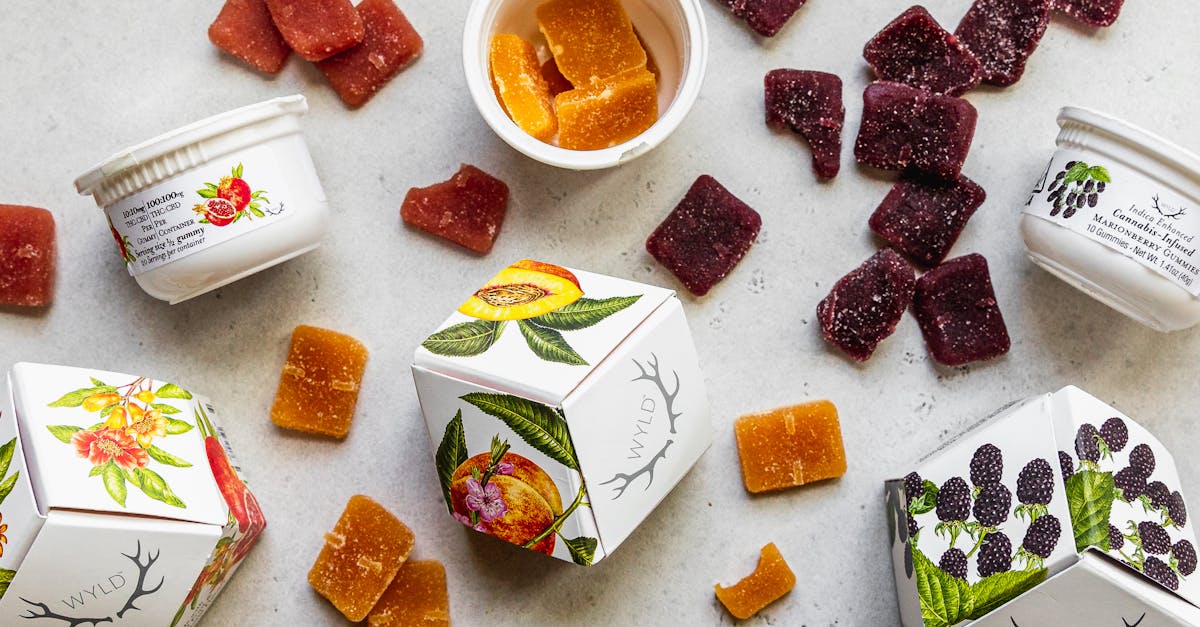
You’ll find practical criteria to compare formulations, texture, fortification, labeling, and price—and concrete steps to avoid misleading marketing while safeguarding quality and consumer trust in the GMP vitamins & health foods: a comprehensive guide to quality assurance, certification, and safety.
“Real fruit‑forward gummies can drive stronger consumer satisfaction when the formulation preserves fruit integrity and when labeling clearly differentiates 'made with real fruit' from 'fruit-flavored' products.”
— Dr. Elena García, Formulation Scientist, Ingredientsage, pragmatic guidance for product development
Key comparison criteria you'll use across sections include gelification base, real fruit content, vitamin/mineral panel per serving, sugar and sweeteners, certifications and labeling, third‑party testing and transparency, and price per serving. These criteria help separate marketing hype from product reality and support smarter, faster decision-making in a competitive market.
Ingredient Sourcing and Base Formulations 🧪🥝
Choosing the right base formulation is foundational to flavor, texture, and nutrition, whether you’re aiming for real-fruit profiles or the stability offered by products like fruit and vegetable gummies.
Labeling nuances matter too: products that truly use real fruit may claim made with real fruit and real veggie gummies, whereas those relying on fruit flavors may use “fruit flavor” labeling—claims that impact trust and buyer perception.
For private‑label and contract manufacturing, consider base formulation tiers aligned to target claims and consumer expectations. A practical approach is to segment offerings into: (1) real fruit pieces with vegan gelling, (2) real fruit purée/juice bases with gelatin or vegan gelling, and (3) blended fruit and vegetable bases using hybrid gelling systems for texture diversity. In all cases, ensure the ingredient deck is traceable with documented sourcing for major components and that packaging communicates the basis of the fruit content clearly and accurately.
Comparison criteria:
Gelification base
Real fruit content
Vitamin/mineral panel per serving
Sugar per serving and sweeteners
Certifications and labeling
Third‑party testing and transparency
Price per serving
Texture and Sensory Considerations 🧁👃
Texture is the immediate signal of quality in gummies. Chewiness, melt‑in‑mouth sensation, and texture stability across shelf life all shape consumer perception. Real‑fruit bases that include natural moisture can soften over time, while concentrates may yield a more consistent bite but risk tasting flat if fruit integrity is not maintained. Effective texture management often requires a careful balance between gelling system, fruit content, moisture levels, and drying or finishing processes. Aroma release should align with fruit expectations—too little aroma can make a gummy seem bland, while an overpowering aroma may overwhelm delicate fruit notes.
Color retention and moisture activity matter as well. Fruit pieces can impart color variance, which can be appealing when managed correctly but may raise quality questions if uneven throughout a bottle. Natural coatings—such as light fruit‑based powders or a thin external finish—can influence initial sweetness perception and flavor release at first bite. When evaluating texture, request controlled shelf‑life data and sensory panels that test bite force, chew duration, and perceived sweetness across multiple time points to confirm long‑term stability.
Comparison criteria:
Gelification base
Real fruit content
Vitamin/mineral panel per serving
Sugar per serving and sweeteners
Certifications and labeling
Third‑party testing and transparency
Price per serving
Fortification Levels, Nutrient Claims, and Safety 🧪💊
Per‑serving vitamin and mineral amounts should be clearly stated with daily value (DV) percentages and safety notes. Enforcement trends indicate brands must avoid overstating immune or energy claims without regulatory support and should ensure qualifying wording is precise and compliant. When fortifying gummies, consider interactions with other ingredients (for example, fat‑soluble vitamins requiring fat for absorption) and how the gummy matrix may affect bioavailability. Always document the methodology for any claimed absorption advantages or functional benefits, and be ready to support claims with credible sources and testing data.
A well‑designed fortification strategy includes a robust safety margin and explicit guidance about max daily intakes, especially for multi‑nutrient formulas. Review any potential interactions between added nutrients and the base formulation, including minerals that may affect solubility, oxidation, or stability. For brands targeting professional or regulated markets, align statements with established reference DV values and avoid implied disease treatment claims. A transparent nutrient panel plus clear caution or disclaimer language helps maintain trust and regulatory compliance.
Comparison criteria:
Gelification base
Real fruit content
Vitamin/mineral panel per serving
Sugar per serving and sweeteners
Certifications and labeling
Third‑party testing and transparency
Price per serving
Sugar Content, Sweeteners, and Taste Profile 🍬🌈
Sugar load and the choice of sweeteners influence both taste and clean‑label appeal. Some gummies rely on organic cane sugar; others on sugar alcohols like xylitol or erythritol to reduce net sugars and improve mouthfeel. Natural non‑sugar sweeteners, including stevia, are used with caution to avoid aftertastes that can clash with real fruit bases. The balance between fruit flavor and sweetness is crucial; too little sugar can yield a flat taste, while excess sugar undermines clean‑label positioning. For brands prioritizing low glycemic impact, consider benzyl derivatives or polyol sweeteners that minimize GI impact while ensuring they do not trigger digestive side effects in sensitive consumers.
Texture interacts with sweetness: sugar‑ and moisture‑driven chew stability can shift over shelf life, particularly in fruit‑forward bases. Flavor variety should reflect consumer preferences, with a range of fruit notes that complement the base rather than overpower it. Gather consumer feedback on sweetness tolerance and flavor range across categories (kids, adults, and wellness enthusiasts) to tailor formulations. Pricing and supply chain must also account for potential fluctuations in sugar and sweetener costs, which can affect long‑term profitability.
Comparison criteria:
Gelification base
Real fruit content
Vitamin/mineral panel per serving
Sugar per serving and sweeteners
Certifications and labeling
Third‑party testing and transparency
Price per serving
Dietary Compatibility, Labeling, and Allergen Considerations 🥬🧬
Dietary accessibility is a growing market driver. Gelatin‑based gummies are popular but not suitable for vegans or certain religious dietary requirements. Vegan options rely on alternative gelling systems, which can alter texture and texture stability if not properly balanced. Allergen considerations require careful cross‑contact controls and clear labeling for dairy, gluten, soy, tree nuts, and other common triggers. Kosher and halal certifications often matter for retail strategies and private‑label programs seeking wider market access. Transparent allergen statements and cross‑contact controls build consumer confidence and reduce the risk of adverse claims or recalls.
Labeling nuance matters. Claims such as “made with real fruit” imply actual fruit content and must be supported by formulation. Conversely, “fruit flavor” or “natural flavor” designations should not mislead about the fruit content. Clean‑label expectations extend to processing aids and packaging inks; buyers increasingly scrutinize supply chain disclosures for sourcing sustainability and ethical considerations. For compliant markets, ensure packaging and claims align with local regulations while maintaining a consistent, trustworthy consumer message.
Comparison criteria:
Gelification base
Real fruit content
Vitamin/mineral panel per serving
Sugar per serving and sweeteners
Certifications and labeling
Third‑party testing and transparency
Price per serving
Certifications, Clean Label, and Transparency 🌿🔎
Third‑party verification adds credibility in a crowded market. Certifications such as non‑GMO, organic, vegan, kosher, and halal can influence buyer decisions, but brands must ensure that these certifications are retained on packaging and backed by independent audits or batch testing. Clean‑label expectations mean transparent ingredient sourcing, minimal use of artificial additives, and clear disclosure of processing aids. Consumers increasingly value proof of quality through batch‑specific certificates or verifiable online portals that show lot data, test results, and sourcing origin. Transparent supply chains build trust and reduce the risk of marketing claims that cannot be substantiated.
For brands evaluating CDP‑level quality, evaluate the presence of GMP compliance, ISO quality systems, and the availability of batch‑specific third‑party test results (for example, identity, potency, and contaminant screening). A credible program may include ongoing testing for heavy metals, microbial purity, and allergen status with accessible certificates. These elements become differentiators in a market where trust is a key purchase driver.
Comparison criteria:
Gelification base
Real fruit content
Vitamin/mineral panel per serving
Sugar per serving and sweeteners
Certifications and labeling
Third‑party testing and transparency
Price per serving
Regulatory Landscape and Health Claims 🛡️⚖️
Dietary supplements are regulated with specific labeling and health‑claim restrictions. In the United States, the FDA oversees labeling under the Dietary Supplement Health and Education Act (DSHEA); while products do not require FDA pre‑approval, manufacturers must follow good manufacturing practices (GMPs) and ensure truthful labeling. Avoid disease treatment or prevention claims; instead, use permitted function statements and general wellness language supported by reputable sources. The regulatory environment is dynamic, with ongoing clarifications around “real fruit” claims, allowable nutrient disclosures, and substantiation standards for marketing statements. Brands should build regulatory review into product development and labeling checks to reduce the risk of misbranding or recalls.
Global markets have their own nuances. European authorities scrutinize health claims even more strictly, with stricter limitations on what can be claimed about immune support, energy, or disease risk reduction. Staying current with regional guidance—and aligning product labeling and marketing with the most stringent applicable standard—helps protect brand reputation and enables smoother market entry across multiple regions. A robust regulatory playbook includes precise per‑serving disclosures, clearly stated DV percentages, and disclaimers where appropriate.
Comparison criteria:
Gelification base
Real fruit content
Vitamin/mineral panel per serving
Sugar per serving and sweeteners
Certifications and labeling
Third‑party testing and transparency
Price per serving
Price, Value, and Practical Comparison Guide 💵🧭
Price per serving is a useful baseline, but true value extends beyond the sticker price. Consider the quality of real fruit content, the robustness of the vitamin/mineral panel, third‑party testing, and the presence of clean‑label certifications. A lower price per serving might mask compromises in fruit integrity, higher moisture risks, or reduced disclosure around testing. Conversely, a higher price can reflect genuine fruit‑forward formulations, transparent testing, and stronger certifications. When evaluating private‑label options, compute price per serving alongside a qualitative score for taste, texture, and label credibility to determine total value.
Practical steps include requesting standard sample packs that enable blind sensory evaluation, asking for batch‑level test results, and validating the presence of required certifications on the packaging. Don’t overlook shelf life and packaging needs, which influence cost—especially for products with real fruit components that may have shorter stability windows. Finally, verify lead times and onboarding requirements to ensure fast go‑to‑market while maintaining quality standards.
Comparison criteria:
Gelification base
Real fruit content
Vitamin/mineral panel per serving
Sugar per serving and sweeteners
Certifications and labeling
Third‑party testing and transparency
Price per serving
Representative Product Profiles for Comparison 🧭🎯
Below are representative product profiles you may encounter when evaluating real‑fruit‑based gummies. Each profile highlights a different combination of base, texture approach, and fortification strategy. Use the comparison framework above to assess fit with your brand’s goals and private‑label capabilities.
Product A — Real fruit pieces, vegan gelling (pectin); Vitamin C 60 mg; D3 25 mcg (1000 IU); B12 2.4 mcg; Sugar 4 g; Non‑GMO, Clean Label, Vegan; USP verified; Price per serving ~ $0.60.
Gelification base: Pectin‑based vegan gelling delivers a traditional chew while aligning with non‑animal sourcing expectations. This base supports a natural, fruit‑forward bite but requires precise moisture control to prevent premature hardening or softening as storage conditions shift. The inclusion of real fruit pieces enhances visual appeal and offers tiny fiber contributions.
Real fruit content: Real fruit pieces characterize this profile, delivering a tangible fruit element in every bite. The balance between fruit pieces and purée is tuned to preserve texture without compromising the stability of the gummy matrix.
Gelification base
With a pectin gel, this product emphasizes plant‑based claims while delivering a familiar chew. The trade‑off is that pectin systems can be more sensitive to pH and sugar content, so process control and batch testing are critical for consistent texture across lots.
Real fruit content
The real fruit pieces contribute to color variation and a perceived fruit‑forward taste. Label claims should reflect the presence of real fruit pieces to avoid consumer misinterpretation about flavoring versus fruit content.
Vitamin/mineral panel per serving
60 mg of Vitamin C and 1000 IU of Vitamin D3 per serving provide a robust starter profile, with B12 at 2.4 mcg. The D3 content aligns with typical adult daily recommendations, while C supports antioxidant activity. DV percentages should be clearly disclosed on packaging and supporting literature.
Sugar per serving and sweeteners
Sugar at 4 g per serving helps maintain a pleasant fruit‑forward sweetness. If the goal is clean labeling, consider pairing with natural non‑sugar sweeteners in future runs to reduce net sugars while preserving palate appeal.
Certifications and labeling
Non‑GMO, clean label, and vegan positioning strengthens appeal to plant‑forward brands. Ensure that certifications remain current and that labeling reflects real fruit content versus flavor claims.
Third‑party testing and transparency
USP verification provides credibility for potency and identity claims. Request batch‑specific certificates to verify ongoing compliance and support on‑pack transparency.
Price per serving
At roughly $0.60 per serving, this profile balances perceived fruit integrity with cost efficiency, making it suitable for brands seeking a mid‑range private‑label option with strong certifications.
Product B — Real fruit juice‑based gummies, gelatin; Vitamin C 60 mg; D3 20 mcg (800 IU); B12 2.4 mcg; Sugar 6 g; Non‑GMO; NSF tested; Price per serving ~ $0.55.
Gelification base: Gelatin provides a classic chew with dependable bite across shelf life. The product's texture tends to be smoother than fruit piece‑heavy profiles, appealing to a broad audience that prefers traditional gummy experiences.
Real fruit content: Real fruit juice forms the backbone of flavor, bringing vibrant color and authentic sweetness without relying heavily on added flavorings or artificial notes. This approach often delivers a consistent taste profile across batches.
Gelification base
Gelatin yields a familiar, resilient chew but requires attention to raw material sourcing and allergen labeling, particularly for vegan or religious markets where gelatin may be excluded.
Real fruit content
The juice base offers a lively, authentic fruit flavor that generally translates into broad consumer appeal, but it may also intensify sweetness variability if juice concentration fluctuates between batches.
Vitamin/mineral panel per serving
60 mg Vitamin C and 800 IU Vitamin D3 per serving provide macro support, while B12 remains at typical 2.4 mcg. Consider updating to include added minerals if broader nutrient coverage is desired without compromising taste or texture.
Sugar per serving and sweeteners
6 g per serving, with potential opportunities to experiment with reduced sugars or alternative sweeteners to improve clean‑label appeal and GI tolerance.
Certifications and labeling
Non‑GMO status is maintained; NSF testing adds credibility for quality assurance and supply chain transparency, helping with retailer confidence and consumer trust.
Third‑party testing and transparency
NSF testing offers independent verification of identity, potency, and contaminants. Ensure test results are accessible to customers or retailers and update certificates with every new production run.
Price per serving
At approximately $0.55 per serving, Product B offers cost efficiency relative to some fruit‑forward profiles, supported by strong third‑party testing and non‑GMO labeling.
Product C — Fruit & vegetable blend, vegan gelling (pectin‑agar); Vitamin C 90 mg; D3 25 mcg (1000 IU); B12 4 mcg; DHA 100 mg; Sugar 2 g; Organic, Non‑GMO, Vegan; USP verified; Price per serving ~ $0.70.
Gelification base: A dual gelling system (pectin with agar) yields a unique texture that blends plant‑based strength with pleasant chew, supporting stability for blends that include vegetable bases and omega‑‑like nutrients (DHA) without sacrificing vegan compatibility.
Real fruit content: This profile emphasizes both real fruit contributions and real vegetable flavors to support a vegetable‑forward taste, expanding appeal to health‑forward consumers who want vegetable‑inspired flavors without sacrificing fruit appeal.
Gelification base
Combining pectin and agar offers robust texture control and improved heat stability, helping preserve chew over a longer shelf life and different storage conditions.
Real fruit content
Incorporating real fruit pieces and vegetable notes creates a complex flavor profile that resonates with clean‑label expectations and can differentiate from purely fruit‑flavored gummies.
Vitamin/mineral panel per serving
90 mg Vitamin C and 1000 IU D3 per serving, plus 4 mcg B12, establish a strong micronutrient profile. The optional DHA 100 mg adds an omega line that may appeal to adults seeking brain and heart health support.
Sugar per serving and sweeteners
Low sugar at 2 g per serving supports clean‑label positioning; consider whether the brand wants to increase sweetness slightly for broader kid appeal or maintain the minimal sugar approach for wellness audiences.
Certifications and labeling
Organic and vegan certifications complement the clean‑label message, with Non‑GMO and USP verification reinforcing quality claims. Ensure packaging supports organic claims with appropriate certification marks where legally permitted.
Third‑party testing and transparency
USP verification ensures potency and identity; provide batch‑level test data to retailers to reinforce trust and differentiate in a crowded market.
Price per serving
At roughly $0.70 per serving, Product C sits at a premium tier driven by organic status, vegan formulation, and a more complex DHA integration, aligning with premium retail channels and private‑label programs.
Product D — Real fruit‑based with algae‑derived DHA; C 60 mg; D3 25 mcg; B12 2.4 mcg; Zinc 5 mg; Sugar 5 g; Vegan, Clean Label; NSF tested; Price per serving ~ $0.75.
Gelification base: Real fruit base with algae‑derived DHA requires a careful balance to protect fragile omega fats and maintain a palatable chew. A vegan formulation here underscores a commitment to plant‑forward nutrition and sustainable sourcing.
Real fruit content: The gummy emphasizes real fruit flavor complemented by DHA, presenting a lifestyle product that targets consumers seeking both fruit taste and omega supplementation in a convenient bite.
Gelification base
Incorporating DHA from algae into a fruit‑forward base adds complexity to gelling kinetics and moisture management. Process controls must ensure DHA stability through processing and storage without compromising texture.
Real fruit content
Fruit content is front and center, with a meticulous approach to maintaining color and flavor even with added DHA. This helps deliver a more complete sensory experience that matches expectations for real‑fruit gummies.
Vitamin/mineral panel per serving
60 mg Vitamin C and 400–500 IU of Vitamin D3 equivalents are common, with B12 at 2.4 mcg and a modest zinc inclusion. The panel supports general wellness while remaining mindful of upper intake considerations and interactions with other minerals.
Sugar per serving and sweeteners
5 g per serving maintains a relatively moderate sweetness level, balancing the natural fruit sweetness with the DHA integration. If targeting ultra‑clean labeling, explore reducing sugar further with plant‑based sweeteners while preserving mouthfeel.
Certifications and labeling
Vegan and clean label positioning aligns with many modern retailer guidelines. NSF testing adds an extra layer of verification for identity, potency, and contaminants, which is valuable for program credibility.
Third‑party testing and transparency
NSF verification supports claims around purity and quality. Providing accessible test certificates by batch promotes retailer and consumer confidence, making it easier to justify premium pricing in selective channels.
Price per serving
Approximately $0.75 per serving places Product D is at the premium end of this spectrum, justified by organic credentials, DHA inclusion, and robust third‑party testing.
Putting It All Together: Practical Steps to Compare and Decide 🧭✅
When evaluating vitamin gummies made from real fruit and vegetables for private‑label or contract manufacturing, use the framework laid out in this guide. Start with the base formulation and gelification strategy that align with your dietary commitments (vegan, dairy‑free, gluten‑free) and regulatory targets. Next, scrutinize real fruit content, flavor integrity, and texture stability across shelf life. Fortification should be clear, compliant, and substantiated with test data. Sugar content and sweetener type must match your brand’s clean‑label goals, while dietary compatibility and allergen controls ensure accessibility for diverse consumer groups. Certifications and third‑party testing amplify credibility, and transparent labeling supports trust and long‑term brand value.
Finally, price per serving should reflect a holistic value proposition: taste, real‑fruit integrity, nutrient panel, and verification. Use blind taste tests and document batch test results to compare products on both sensory and data dimensions. By applying these criteria, you can select a private‑label partner that delivers not only a great gummy but also the transparency, reliability, and regulatory alignment that today’s health‑conscious consumers demand.
About Ingredientsage— Ingredientsage is a private‑label and contract manufacturing partner for cosmetic products and dietary supplements, offering end‑to‑end services from raw material sourcing to final packaging, with a focus on organic and natural, food‑based ingredients for clean‑label products and faster go‑to‑market. Whether you are an established brand or a startup seeking scalable manufacturing and packaging, we help you turn concepts into compliant, market‑ready products with rapid turnaround.


Comments
Post a Comment