The Ultimate Guide to Skincare Products: Types, Ingredients, and How to Choose for Your Skin
Introduction ✨
This guide provides an evidence-based map to navigating product categories, actives, formulation considerations, safety and labeling standards, and practical decision-making for diverse skin types and concerns—see skin care products.
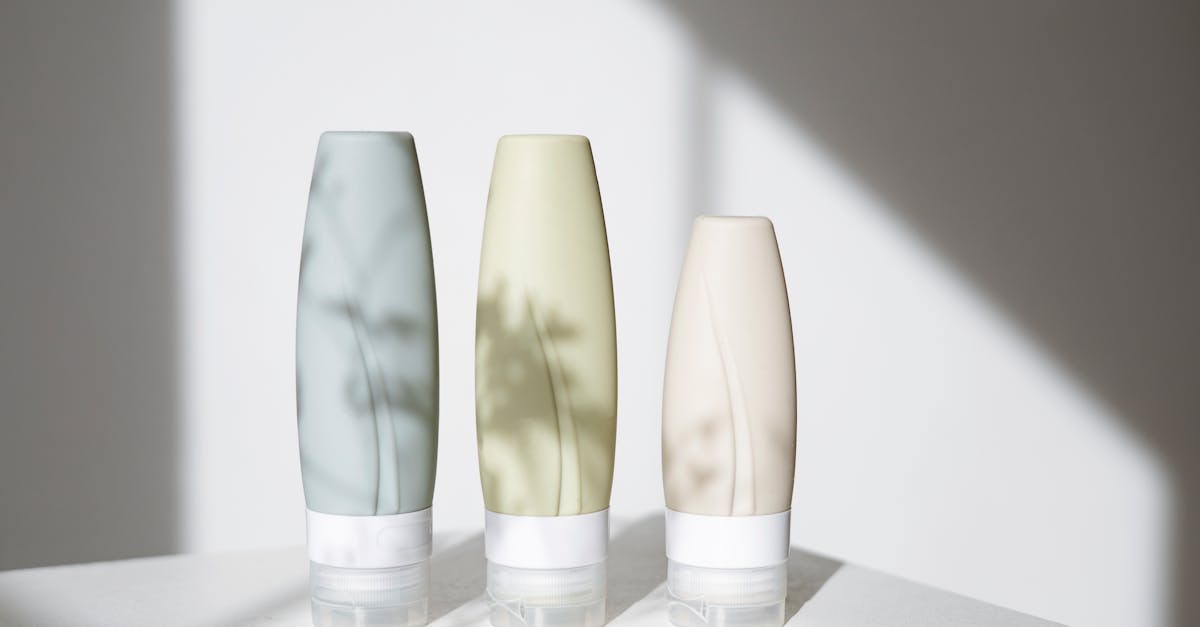
We emphasize organic, natural, and food-based ingredients to deliver clean-label products; for a deeper understanding of safe, effective ingredients and methods, see the natural skincare formulation: a comprehensive guide to safe, effective ingredients and methods.
Product Categories at a Glance 🧴💡
Skincare product lines typically organize into core categories that address cleansing, protection, treatment, and targeted care. Understanding these categories helps you plan formulations, packaging formats, and claims with clarity. Below, we outline the eight primary categories brands commonly navigate in private-label partnerships, along with typical product forms, consumer expectations, and formulation considerations.
Cleansers 🫧
Cleansers come in gel, cream, oil, and micellar formats. They must effectively remove impurities without stripping the skin’s barrier. Formulators optimize mild surfactants, pH, and compatibility with subsequent actives. For private-label programs, fragrance-free options and hypoallergenic variants increasingly drive adoption, especially for sensitive skin. A well-designed cleanser supports the morning and evening routines without leaving the skin feeling taut or frustrated by residue. 🧽
Serums 💧
To explore private-label serums featuring stable vitamin C, peptides, or hyaluronic acid—packaged to minimize air exposure, you can shop the best skin care.
Moisturizers 🧴
For clean-label and organic brands, ingredients like ceramides, squalane, fatty acids, and plant-derived oils are prioritized across skincare products.
Sunscreens ☀️
Sunscreens are essential for photoprotection and preventing photoaging. Modern formulations emphasize stable UV filters, broad-spectrum coverage, and aesthetics (non-greasy feel, minimal white cast). Private-label programs increasingly pursue reef-safe filters and transparent INCI labeling to satisfy regulatory and consumer expectations. Water resistance, scent, and mattifying or hydrating finishes are differentiators in crowded shelves.
Treatments (Retinoids, Acids) 🧪
Targeted treatments include retinoids, alpha/beta hydroxy acids, and combination platforms. Retinoids promote cell turnover and collagen remodeling; acids assist exfoliation and pigment correction. Formulation challenges include stability, irritation management, and compatible vehicle selection. Clear guidance on usage frequency, concentrations, and sun protection is critical for private-label success and consumer safety.
Masks 🥽
Masks offer intensive care in rinse-off or leave-on formats, often addressing hydration, detoxification, or brightening. They enable a powerful consumer experience and provide an opportunity to showcase clean-label actives like fruit enzymes, clays, and plant extracts. Ingredient storytelling and aroma-free options can help reach sensitive or fragrance-conscious consumers while staying within regulatory expectations.
Eye Care 👁️
Eye creams and serums focus on periorbital hydration, puffiness, and dark circles. Lightweight, non-irritating formulations with peptides, caffeine, or hyaluronic acid are common. Packaging considerations include precision dispensing for small volumes and stability of actives that can degrade with heat or light exposure.
Spot Treatments 🎯
Spot treatments target localized concerns like acne, inflammation, or hyperpigmentation. Formulators emphasize targeted vehicles, fast-acting actives (e.g., salicylic acid, benzoyl peroxide, niacinamide), and minimizing dryness or irritation. Private-label programs benefit from single-use sachets or precise dispensers to ensure product integrity and portability.
Active Ingredients and Their Roles 🧪
Actives drive the efficacy narrative of skincare products. Understanding how they work, their stability, and how they interact with other ingredients is essential for private-label development. Below are core actives and their primary functions, along with practical notes for formulation and safety.
Retinoids: Cell turnover and renewal 🌀
Retinoids accelerate cell turnover and stimulate collagen synthesis, supporting anti-aging goals and acne management. Common forms include retinol and retinaldehyde, with prescription-strength options like tazarotene reserved for regulated channels. In over-the-counter products, stable delivery systems and gradual dosing help minimize irritation. When formulating, pair retinoids with soothing humectants and ceramides, and remind users to apply sunscreen consistently. Expert insights emphasize gradual introduction to protect skin barrier and ensure adherence to product cycles.
Expert perspective: Retinoids deliver transformative results when used consistently, but tolerance varies. Start low, go slow, and prioritize barrier-supporting ingredients to sustain long-term use.
Antioxidants: Protection and brightening 🍊
Antioxidants like vitamin C and vitamin E help neutralize free radicals, brighten skin, and stabilize reactive species. Their efficacy depends on formulation pH, stability, and delivery mode. Water-soluble forms (e.g., L-ascorbic acid) are potent but require low pH and careful packaging to prevent oxidation; stabilized derivatives (e.g., tetrahexyldecyl ascorbate) offer greater formulation flexibility. A well-tuned antioxidant strategy often combines with sunscreen for enhanced photoprotection and visible results.
Humectants: Hydration without heaviness 💧
Humectants such as glycerin and hyaluronic acid attract and retain moisture, supporting plump, hydrated skin. Hyaluronic acid comes in various molecular weights to target surface hydration or deeper dermal layers. When formulating, balance humectants with occlusives to prevent moisture loss in dry climates, and consider encapsulated delivery to manage viscosity and stability in emulsions and serums.
Niacinamide and Beyond: Barrier support 🛡️
Niacinamide (vitamin B3) strengthens the skin barrier, reduces transepidermal water loss, and modulates sebum production. It is compatible with many actives and can support tone and texture improvements when paired with antioxidants and retinoids. Other supportive actives include ceramides for barrier repair and peptides for signaling collagen synthesis, each with specific formulation compatibilities and recommended concentrations.
Peptides and Ceramides: Structure and resilience 🧬
Peptides act as signaling molecules to encourage collagen production and tissue repair, while ceramides reinforce the lipid barrier and improve moisture retention. In private-label programs, stable peptide sequences and ceramide blends are paired with gentle surfactants and non-irritating preservatives. The emphasis is on stability, skin compatibility, and measurable improvements in texture and resilience over time.
Sunscreen Actives: Secure protection 🕶️
UV filters are the frontline defense against photoaging and skin cancer. Physical (mineral) filters like zinc oxide and titanium dioxide and chemical filters each offer advantages and trade-offs in aesthetics and spectrum. For private-label products, regulatory compliance, filter stability, and consumer acceptance drive formulation choices, along with clear labeling of INCI names for transparency.
Formulation Considerations 🧰
Crafting skincare products for private-label manufacturing demands careful attention to stability, safety, and user experience. The right formulation balances active potency with product stability, environmental considerations, and consumer expectations. Below are essential considerations to guide formulation decisions and packaging choices.
pH, stability, and delivery systems 🧪
pH governs active stability and skin compatibility. For cleansers, a slightly acidic to neutral pH maintains the acid mantle; serums and actives like vitamin C require acidic environments, while some peptides and niacinamide tolerate a broader range. Delivery systems—such as encapsulation, liposomes, or microemulsions—improve stability and penetration while reducing irritation. For private-label development, choosing a delivery system that aligns with shelf-life and storage conditions is crucial.
Fragrance, allergens, and clean-label choices 🌿
Fragrance-free and hypoallergenic options are increasingly demanded by sensitive-skinned consumers and certification programs. Clean-label formulations favor plant-based extracts, food-grade carriers, and minimal synthetic additives. Allergen-reduction strategies—including fragrance-free formulations and simplified INCI—can differentiate a brand in crowded market segments.
Preservation, safety, and packaging integrity 🛡️
Preservatives protect product safety in an aqueous environment; selection depends on formulation type, packaging, and consumer expectations. Airless and opaque packaging helps protect light- and oxygen-sensitive actives, extending shelf life. In private-label programs, packaging compatibility with the product's formulation and transport logistics is a critical cost and quality consideration.
Stability testing and scale-up 🧫
Formal stability testing under varied temperatures and humidity ensures product integrity through distribution and shelf life. Scale-up from pilot batches to full production can reveal viscosity, texture, and separation challenges. A robust quality-control plan—covering raw material certificates, in-process checks, and final batch testing—reduces risk and supports regulatory readiness.
Safety, Labeling, and Claims 🏷️
Safety and accurate labeling are foundational to consumer trust and regulatory compliance. Transparent ingredient disclosure, clear claims, and robust post-market surveillance protect brands and consumers alike. The steps below help ensure your products meet regional requirements while delivering credible, verifiable benefit stories.
Label transparency and INCI naming 🧭
INCI naming standardizes ingredient identification across markets, enabling consumers and professionals to understand what is in a product. Transparent labeling supports informed choices and reduces the risk of misinterpretation. Regions differ in allergen disclosure, fragrance labeling, and claims allowances, so aligning labels with the intended markets is essential for a private-label program.
Patch testing and user safety 🧪
Patch testing guidance helps minimize adverse reactions for new launches. Recommend a patch test protocol for new product lines and provide clear consumer instructions for slow introduction, frequency, and signs of irritation. For sensitive skin segments, emphasize barrier-supportive ingredients and conservative usage guidelines to maintain adherence and satisfaction.
Regulatory considerations and substantiation 🧾
Regulatory requirements vary by region but share core principles: no misleading claims, safe concentrations, and evidence-backed labeling. In the US, EU, UK, Canada, and parts of Asia, regulators scrutinize efficacy statements, safety data, and testing methods. Substantiation—drawing on credible studies, user data, and product performance—helps brands defend claims in both marketing materials and claims submissions.
Efficacy Evidence and How to Evaluate It 📈
Consumers increasingly expect proven results. Evaluating efficacy involves weighing randomized controlled trials, systematic reviews, and real-world data. Understanding the methodology, sample size, study duration, and potential biases helps you separate robust findings from marketing noise. This section explains how to interpret evidence and apply it to private-label product development and positioning.
Credible evidence sources and study design 🧪
Prioritize randomized controlled trials (RCTs) and well-conducted systematic reviews from reputable journals or regulatory bodies. Look for explicit inclusion criteria, control conditions, and predefined outcomes. When RCTs are impractical for a private-label project, real-world evidence from consumer panels or longitudinal studies can offer meaningful, context-rich insights—provided they are methodologically sound and transparently reported.
Interpreting effect sizes and clinical relevance 🔍
Statistical significance does not always translate into meaningful, real-world benefit. Look for effect sizes that reflect tangible improvements in texture, hydration, brightness, or barrier function, and assess whether improvements are maintainable over time. Consider whether outcomes are consistent across skin types and environmental conditions, which strengthens generalizability for private-label customers.
Limitations and bias in marketing claims ⚖️
Marketing messages often cherry-pick data or rely on short-term outcomes. Be vigilant for selective reporting, funding sources, and conflicts of interest. A robust evaluation combines independent evidence with internal testing results and consumer feedback, creating a balanced picture of product performance.
Practical Decision-Making for Diverse Skin Types and Concerns 🧭
Skincare routines must be practical, scalable, and personalized. The decision framework below helps brands tailor products and routines to oily, dry, combination, and sensitive skin while addressing common concerns like acne, hyperpigmentation, redness, and aging. It also integrates budgeting and manufacturing considerations for private-label programs.
Foundation: baseline routines that work for most customers 🧰
Start with a simple, effective core: a gentle cleanser, a hydrating serum, a barrier-supporting moisturizer, and daily sunscreen. For sensitive or reactive skin, prioritize fragrance-free formulas and minimal actives with proven tolerability. This baseline becomes the foundation upon which targeted treatments are layered, enabling cross-category coherence across product lines.
Oily and combination skin: balancing oil and firmness 🪄
People with oily or combination skin look for controls on shine and blemishes without over-drying. Incorporate lightweight, non-comedogenic moisturizers, niacinamide to regulate sebum, and targeted spot treatments for breakouts. Serums with hyaluronic acid and antioxidants provide hydration without heaviness, while sunscreens that feel breathable encourage daily use.
Dry and sensitive skin: hydration and barrier care 💧🛡️
Dry and sensitive skin benefits from rich moisturizers, barrier-supporting ceramides, and fragrance-free formulations. Emphasize humectants with occlusives for lasting hydration, and select gentle surfactants for cleansers to minimize irritation. Patch-testing guidance becomes critical for new line introductions in this segment, reducing the risk of setbacks during product launches.
Aging and hyperpigmentation concerns: targeted efficacy 🧬
For aging and hyperpigmentation, combine retinoids or retinoid-like actives with antioxidants and gentle exfoliants. Pair with mineral or chemical sunscreen and emphasize consistent use, gradual improvements, and long-term maintenance. Clear labeling of expected timelines and safe usage frequency helps set consumer expectations and drives satisfaction.
Budgeting and private-label considerations 💸
Private-label programs should translate consumer demand into affordable, scalable products. Consider tiered lineups (entry, mid, premium) with shared actives and modular packaging. This strategy supports faster go-to-market while maintaining quality control and regulatory compliance across SKUs.
Market Trends, Regulation, and Consumer Insights 🌍
The skincare market is evolving rapidly, driven by consumer demand for transparency, sustainability, and personalization. Brands partnering with contract manufacturers must stay ahead of trends, regulatory changes, and consumer expectations to remain competitive. Here are the current drivers shaping the market and the regulatory landscape you should monitor.
Trends shaping the market 🔄
Key trends include clean beauty and natural/organic formulations, sustainable packaging, AI-driven personalization, and enhanced sunscreen technologies. Consumers increasingly seek products with traceable ingredients, vegan or cruelty-free claims, and simplified ingredient lists. Private-label manufacturers that offer stock formulas with clean-label options and rapid reformulation capabilities gain a meaningful edge in time-to-market and consumer trust.
Regulation updates across regions 🌐
Regulatory landscapes vary by region but converge on safety, transparency, and substantiation. The EU continues to refine cosmetic product regulations, with emphasis on ingredient restrictions, dossier requirements, and clear labeling of allergens. The US prioritizes substantiation for claims and safety data, while Canada, the UK, and parts of Asia emphasize traceability and consumer protection. For private-label partnerships, staying compliant requires proactive documentation, robust QA, and periodic regulatory scanning, especially for new actives and fragrance allergens.
Consumer insights and expectations 📣
Today’s consumers demand evidence, real-world results, and ethical practices. They favor brands with transparent sourcing, clear labeling, and sustainable packaging. In rotation, social proof, user-generated feedback, and accessible education about product usage and safety become key differentiators for private-label programs aiming for loyalty and repeat purchases.
How to Read Labels and Build a Safe Routine 🧭
Label literacy empowers consumers to make informed choices and helps brands set honest expectations. A well-constructed routine balances efficacy with safety, reduces the risk of irritation, and enhances customer satisfaction. The framework below provides a practical path to building routines that work for diverse skin types and concerns.
Reading INCI and ingredient order 🧰
INCI names enable consistent identification across products and markets. The order of ingredients typically reflects concentration, with the active ingredients and base formulation appearing near the top. For consumers, look for the presence of key actives in appropriate concentrations and note any fragrances or essential oils if sensitivity is a concern.
Patch testing and gradual introduction 🧪
Patch testing should be a standard step for new products or reformulated lines. Apply a small amount to a discreet area for 24-48 hours and monitor for redness, itching, or swelling. For line launches, provide consumer guidance on introducing one new product at a time and adjusting frequency to avoid irritation.
Routine sequencing and safe usage 🧭
Typical daily order is cleanse → treat (serums) → moisturize → sunscreen (morning only). In evenings, consider retinoids or acids after cleansing and before moisturizer, with barrier-supporting products layered as needed. For sensitive skin, minimize fragrance and active overlap on the same night, and avoid combining multiple potent actives that may cause irritation.
Label claims you can trust 🗝️
Credible claims are those supported by evidence and aligned with regulatory allowances. Avoid absolute guarantees; instead, communicate expected timelines, maintenance guidance, and safety notes. Educational content—explaining active functions, usage frequency, and sun protection importance—helps consumers make informed decisions and fosters trust in your brand.
Conclusion and Next Steps
Please note: This guide is designed to direct strategic decisions for private-label and contract manufacturing collaborations. For brands seeking a one-stop partner with stock formulas, custom formulations, and end-to-end packaging, we invite you to explore how Ingredientsage can tailor a turnkey program that aligns with your product vision, regulatory obligations, and go-to-market timelines. Our approach emphasizes evidence-based formulation, transparency, and scalable production that supports both established brands and innovative launches. 🚀


Comments
Post a Comment